The 2030 Mantra: A Betrayal of Zimbabwe's Constitutional Promise


The 2030 mantra has sparked significant concern, and understandably so. Zimbabweans remember having one president from 1980 to 2017, despite the will of the people. This memory makes their concerns valid. Term limits were a central issue during the constitutional referendum held in February 2000. Again, the 2013 Constitution, the result of the COPAC process, clearly limits the presidency to two terms of five years each. Given the current trajectory of the 2030 mantra, with infighting, suspicion, scheming, and divisions even at the community level, the next three years to 2028 will be hard and long, with an even more challenging five years leading up to 2030.
In trying to understand the nuances behind the 2030 campaign, I believe that:
President Mnangagwa has missed an opportunity to become a statesman in the manner of Nelson Mandela. This was his greatest test. Instead, the 2030 mantra has placed him on the wrong side of history, joining the likes of Robert Mugabe, Paul Biya, Yoweri Museveni, and Paul Kagame (yes, Kagame too—he is Africa's 10th longest-serving president, having taken power in 2000). To solidify his legacy, all Mnangagwa needed to do was relinquish power in accordance with the Constitution. However, that opportunity has passed. If he were to step down now, it would seem (at least in the eyes of the public) as though he is giving in to pressure from figures like Geza and the general populace.
In two separate public addresses, most recently at a meeting with editors on 17 February 2025, President Mnangagwa claimed to be a constitutionalist—despite coming to power via a coup, an inherently unconstitutional process. His statement is vague, as it seems to suggest that if a third constitutional amendment is passed, Mnangagwa would be comfortable running for another term. On the same day he made this remark, the state-owned Herald ran the headline “Nothing amiss about amending the Constitution.” Quoting Dr Muswere, the Minister of Information, Publicity, and Broadcasting Services, the article stated, “The party, from districts to the Central Committee, passed the resolution to amend the Constitution to allow the party leadership to continue beyond 2030.” This raises several important questions:
Have high-level ZANU-PF members like Muswere and Ziyambi gone rogue?
Is the First Secretary of ZANU-PF unable to control his own people?
Whose interests are the “rogue” ZANU-PF members backing the 2030 mantra actually advancing?
What is clear is that the 2030 mantra is a premeditated agenda. ZANU-PF has been pushing Vision 2030 as a strategy for economic development, with the goal of a “thriving economy where everyone has the opportunity to succeed.” It has been speculated that Mnangagwa has long planned to remain in power until 2030. The hints have always been there—remember his remark, “2030 ndinenge ndichipo…” as far back as July 2019.
One thing that remains unclear is why ZANU-PF is pushing for a term extension in the first place. Perhaps Mnangagwa is facing a succession crisis, similar to what former President Mugabe experienced. The party’s structures seem to lack confidence in any alternative leadership, so they insist on Mnangagwa’s continued rule. Succession planning and talent management are often challenging for revolutionary parties, leading many first-generation African leaders to mistakenly adopt a dynastic approach, passing power to family members. Perhaps this is Zimbabwe’s path now as well.
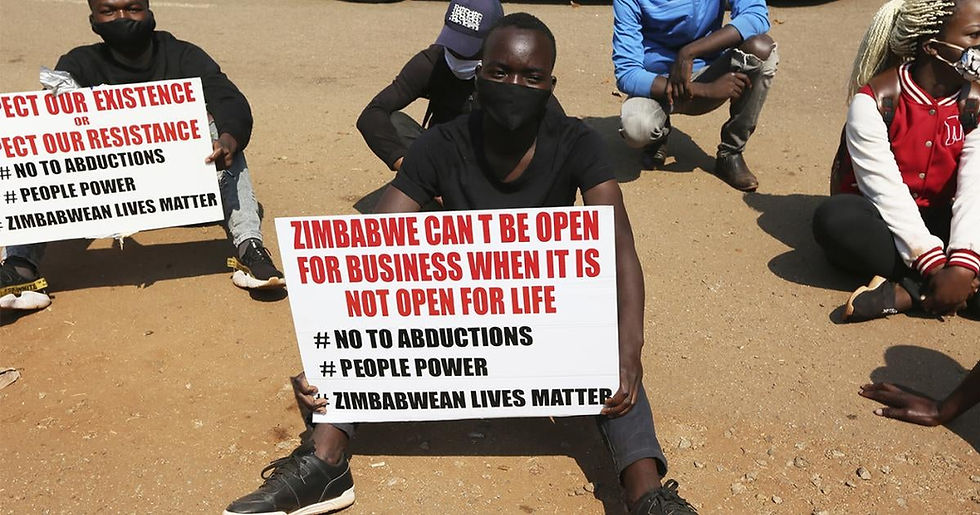
From any perspective, one thing is certain: the 2030 mantra betrays the social contract outlined in our Constitution. Tampering with the Constitution while ignoring key provisions has become standard practice (recall the removal of the running mate clause), undermining the integrity of what is otherwise a progressive document. To restore confidence, it is critical that the president directly addresses ZANU-PF structures that are pushing the 2030 agenda, making it clear that he is not interested. At present, it appears that he denounces the movement publicly while quietly allowing it to persist. The idea of political instability arising from this situation is deeply unsettling.
“We do not want to create a socio-legal order in which people are petrified, in which they barricade their doors and windows at night for fear that the police or the special branch will break in… This is what we have been fighting against. This is why we are in this revolution for as long as necessary—to abolish this system.” —Edson Zvobgo
Indeed, we are petrified.

Great piece. Offers a compelling critique of the current political trajectory concerning term limits and constitutional integrity in Zimbabwe. The concerns you raise about potential amendments to extend presidential terms resonate deeply, especially given recent reports that ZANU-PF is considering extending President Mnangagwa's tenure by two years until 2030, despite constitutional provisions limiting the presidency to two five-year terms. This move not only challenges the spirit of our Constitution but also echoes past instances where constitutional amendments were employed to entrench power, undermining democratic principles. The 2013 Constitution was a milestone, aiming to prevent prolonged incumbencies and ensure regular leadership renewal. Any attempts to alter these provisions for political expediency risk eroding public trust and destabilizing the nation's democratic foundations.