Zimbabwe’s perpetual state of emergency; an avenue for injustice!

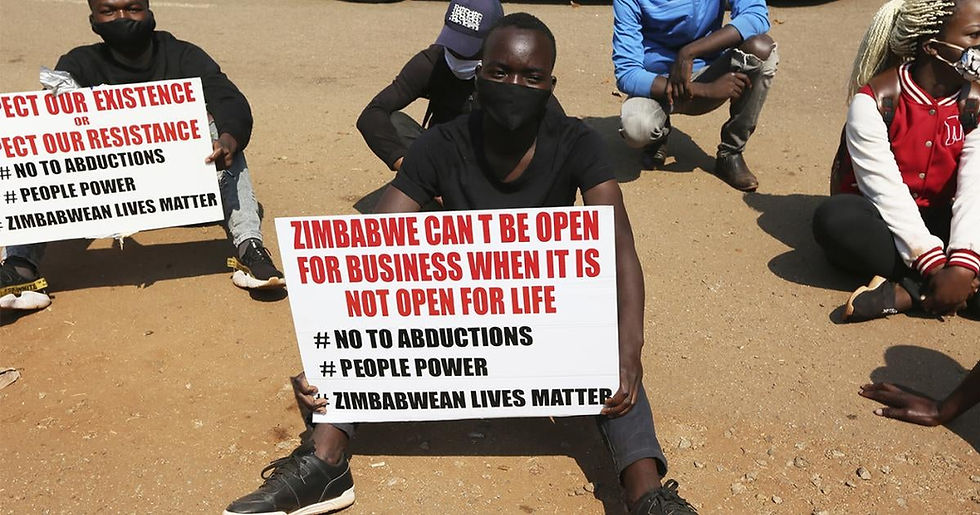
Zimbabwe has been in a state of emergency since March 2019, when President Emmerson Mnangagwa declared a state of emergency initially to respond to the COVID-19 pandemic, with the latest extension announced in April 2024 in response to the severe drought and food shortages across the country.
The state of emergency through the Emergency Powers Act [Chapter 11:04] grants the government (often the executive) expanded powers and authorities that are not available during normal times. This can include reallocating funds, activating emergency response plans, and suspending certain rules and regulations, including certain human rights as deemed necessary. Whilst the state of emergency is critical in addressing contextual developments that have a bearing on social protection and safety of citizens, in a country like Zimbabwe with a poor human rights record and general suspicion between the government and citizens, the declaration can provide legal justification for certain emergency actions and interventions that may not be permitted during normal circumstances. This can protect officials from liability when taking necessary steps to address the crisis. This was the case during Gukurahundi even after the 25-year-old state of emergency was lifted in 1990.
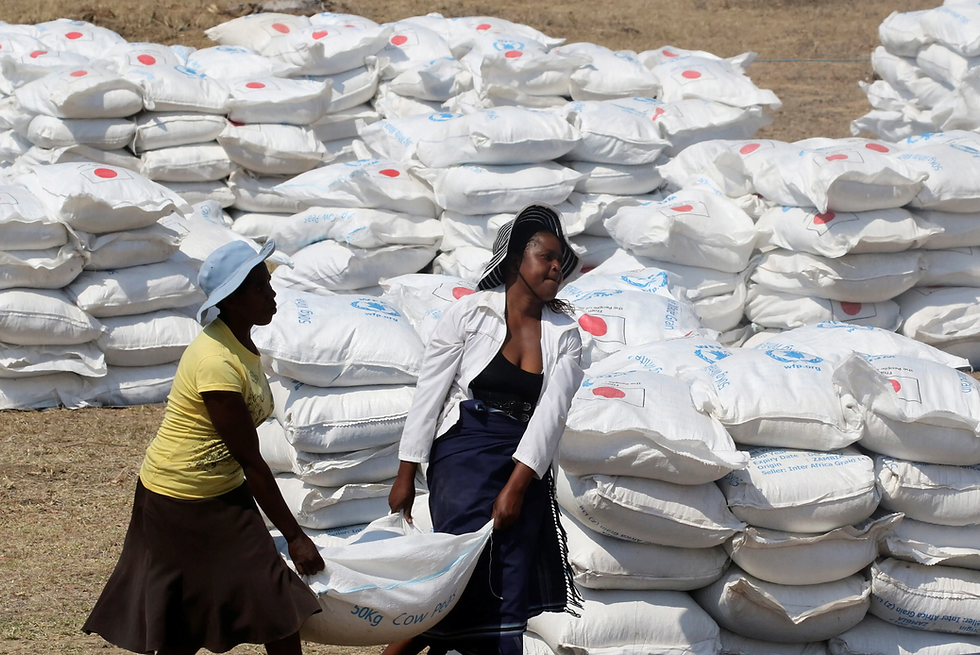
It is important to note that a state of emergency in response to the Cyclone El Nino-induced drought is a sober move considering the country has a grain deficit of 680,000 metric tons, with more than 2.7 million people in need of food aid. However, events over the past month since the announcement of Zimbabwe taking over the chairing of the Southern African Development Community (SADC) signalled the state’s onslaught against citizens and human rights defenders. Whilst the state of emergency is for humanitarian purposes, the state has taken advantage of the context to clamp down on human rights. Notable incidences include:
· The arrest of rights defenders Robson Chere of the Amalgamated Rural Teachers Union (ARTUZ), Namatai Kwekweza and opposition councillor Samuel Gwenzi at the Robert Mugabe International Airport, reports indicate.
· The arbitrary arrest of 44 Zimbabwe National Students Union (ZINASU) which left 10 injured.
· The arbitrary arrest of Jameson Timba and 76 others including minors and infants.
· Attacks on the rights to freedom of expression and freedom of assembly.
· Hate speech and intimidation of citizens against demonstrations and assembly.
· Evacuation and harassment of vendors and informal traders.
The ongoing state of emergency reflects the severe human rights situation in the country particularly limitations on the rights to freedom of expression and association including a blanket ban on all social gatherings. The challenges of a sustained state of emergency in the country centre around the deliberate pronouncements and overuse of presidential powers to bypass parliament, and the concentration of power in the executive. Generally, concerns on the overreliance and intractable state of emergency include:
· Abuse of power - The expanded powers granted under the state of emergency, such as restrictions on movement and gatherings have seen the government abuse these powers to suppress political opposition and dissent. The state of emergency has been used as a pretext for cracking down on civil liberties aimed at “maintaining order” in the run-up to and during the upcoming SADC Summit.
· Lack of accountability - the state of emergency has reduced oversight and accountability mechanisms, making it harder to scrutinize the government's actions including prioritising road maintenance over other critical contextual challenges including hunger and starvation.
· Failure to address root causes – The government has not done enough to address the underlying economic and environmental factors driving the crisis, and the state of emergency is a short-term band-aid rather than a long-term solution. This includes the report by the UN Special Rapporteur on the right to food, Hilal Elver, who noted during her state visit to Zimbabwe in 2019 that the food crisis in the country is man-made.
· Politicization of the crisis – The government has exploited the state of emergency for political expediency, using it to consolidate power rather than effectively respond to humanitarian needs. This is clear when considering the arrest of opposition party supporters whilst the ZANU-PF meeting endorsing Emmerson Mnangagwa for a third term continues undisturbed nationally.
Whilst there are multitudes of examples of the abuse of the state of emergency in Zimbabwe, which were also vibrant during the COVID-19 lockdown, it is clear that for the greater part of Zimbabwe’s history, the socio-political order comprised of varying levels of state of emergencies (some formal some informal). As with the current crackdown on civil liberties, it is clear the government is taking advantage of the humanitarian state of emergency to effect an informal widespread ban on gatherings. It is clear from the utterances of high-level government officials that the intent of these arrests and crackdown on civil liberties is calculated to suppress dissent. There are credible reports that the government has used the expanded powers under the state of emergency to crack down on protests, demonstrations, and other forms of political opposition. This is through the imposition of restrictions on freedom of assembly, association, and movement, making it more difficult for opposition and civil society groups to organize and voice their concerns.
However, the greatest concern is the legal legitimacy of the sustained state of emergency in the country. The government's repeated extensions of the state of emergency exceed the intended scope and duration of such measures from a rational perspective. There are surely other means outside of declaring a state of emergency to address the challenges affecting the country. The potential escalation of the violation of human rights under the current state of emergency outweighs the potential positive benefits of the same. This reasoning creates further suspicion of the intentions, further strains the social contract, and further divides the nation. Resolving this divide and finding a more inclusive approach will be crucial for Zimbabwe to effectively address the underlying issues driving the state of emergency.
//ENDS//


Comments