
Unintended Consequences: The Complex Impact of Foreign Aid on African Development

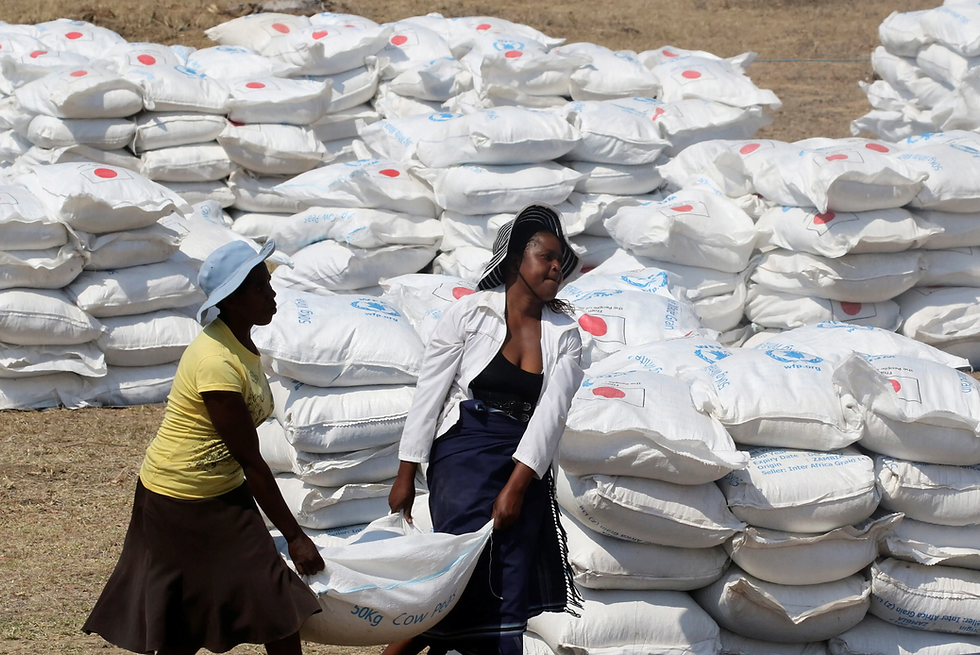
Foreign aid to African countries, though typically well-intentioned, has produced a range of negative consequences that span economic, social, political, and environmental dimensions. The complexities and unintended effects of foreign aid present significant challenges, even as it has also delivered some benefits. Critically, differentiating between well-meaning aid and neo-colonialism remains a pivotal consideration when evaluating the "aidness" of aid. The discourse around aid is often polarized, with some emphasizing its role in alleviating poverty, while others argue that it has entrenched dependency and underdevelopment. This critical examination seeks to unpack the multifaceted impacts of aid, focusing on the economic, social, political, and environmental dimensions, and proposes alternative approaches to fostering sustainable development.
One of the most pervasive criticisms of foreign aid is its contribution to the dependency syndrome among recipient countries. Many African nations have become heavily reliant on external financial support, which undermines their ability to develop sustainable economic policies and invest in domestic revenue generation (Moyo, 2009). This dependency can discourage governments from building the infrastructure necessary for self-sufficiency, particularly in sectors like agriculture, manufacturing, and technology. By consistently relying on aid, countries may deprioritize innovation, domestic entrepreneurship, and long-term economic planning, ultimately stunting growth and development.
Another detrimental economic effect is the distortion of local markets, particularly when aid is provided in-kind. The influx of free or subsidized goods, such as food or clothing, often undermines local producers by outcompeting them in the marketplace (Easterly, 2006). This can lead to the stagnation of local industries, particularly in agriculture, as local farmers are unable to compete with the lower prices of aid-provided goods. Consequently, aid that was intended to provide temporary relief can inadvertently harm the long-term economic prospects of recipient countries by weakening their productive capacities.
Foreign aid, particularly in the form of loans, also contributes to debt accumulation in African countries. Many nations have taken on loans that, while intended for development purposes, have led to unsustainable debt burdens. Governments often struggle to meet repayment obligations, which diverts resources away from critical public services such as healthcare, education, and infrastructure (Todaro & Smith, 2015). The resulting debt overhang constrains governments' fiscal capacities and limits their ability to invest in future development.
Moreover, foreign aid can exacerbate corruption and mismanagement within recipient governments. The availability of large sums of money can encourage rent-seeking behavior, with funds being siphoned off by corrupt officials before they reach their intended beneficiaries (Bräutigam & Knack, 2004). This misappropriation of resources not only undermines the economic benefits of aid but also leads to greater inequality, as those in power enrich themselves at the expense of the general population. This contributes to a cycle of inefficiency, where aid funds are poorly managed and fail to produce the intended developmental outcomes.
The social implications of foreign aid are equally complex. One major concern is the erosion of local cultures. Aid programs often come with conditions or assumptions rooted in the values of donor countries, which may not align with the traditions and norms of the recipient societies (Nussbaum, 2000). The imposition of external cultural values can undermine indigenous practices, leading to a gradual erosion of local cultures and social structures. As a result, foreign aid can disrupt social cohesion by promoting foreign ideals that may not be compatible with local realities.
Aid can also foster an aid dependency mentality within local populations, reducing incentives for self-reliance and community-driven development (Deaton, 2013). Over time, reliance on external assistance may diminish the capacity for local problem-solving, as communities become accustomed to expecting solutions from foreign donors rather than developing their own. This dependency can stifle local innovation and entrepreneurship, which are critical for long-term development.
In some cases, foreign aid has also exacerbated inequality and social tensions. Aid distribution can be uneven, often benefiting certain groups or regions over others, which can lead to resentment and conflict (Collier, 2007). When aid is channeled through government or elite-controlled mechanisms, it may disproportionately benefit the politically connected, thereby widening existing social divides. Such inequities can fuel tensions between different communities, potentially leading to instability and conflict.
Furthermore, foreign aid can undermine local initiatives. When external aid is provided without consulting local communities, it can bypass or overshadow existing local efforts aimed at solving development challenges. This top-down approach discourages grassroots participation and can demotivate local actors from engaging in their own development processes (Eade, 1997). Aid programs that fail to involve local communities risk being perceived as irrelevant or ineffective, thereby limiting their impact.
The political ramifications of foreign aid are profound, particularly concerning governance and sovereignty. One of the key criticisms is that aid can contribute to undermining local governance structures. In cases where donors bypass government institutions and work directly with non-governmental organizations (NGOs), it can weaken the capacity of local governments to provide essential services and maintain legitimacy (Knack, 2004). This undermines the very institutions that are crucial for long-term stability and development, leaving governments dependent on external actors for basic functions.
Foreign aid has also been used as a tool for political manipulation, with donor countries exerting influence over the political decisions of recipient nations (Lancaster, 2007). This can undermine national sovereignty, as governments may feel compelled to align their policies with the preferences of donors rather than the needs and aspirations of their citizens. In extreme cases, this external interference can destabilize political systems by fostering dependency on external actors rather than promoting self-determination.
In some cases, foreign aid has been linked to conflict and instability. Aid resources can become a source of competition among different groups, leading to conflict over access to these resources. This is particularly true in fragile states, where control over aid flows can exacerbate existing tensions and contribute to violence (Collier, 2007). Uneven distribution of aid can also fuel grievances among marginalized groups, further destabilizing already fragile societies.
The environmental impacts of foreign aid are often overlooked but are no less significant. One key issue is the promotion of unsustainable development projects. Some aid-funded projects, particularly in agriculture or infrastructure, prioritize short-term economic gains over long-term environmental sustainability (Leach & Mearns, 1996). These projects can lead to deforestation, soil degradation, and the loss of biodiversity, undermining the ecological foundations of long-term development.
In addition, aid can facilitate resource exploitation, particularly when it is tied to the interests of donor countries or multinational corporations. In some cases, aid is used to support projects that extract natural resources from recipient countries without adequate environmental safeguards (Shiva, 1993). This not only harms the environment but can also displace local communities and disrupt their livelihoods.
Another concern is the lack of environmental safeguards in some aid projects. Environmental impact assessments are not always conducted thoroughly, leading to unintended ecological consequences (Pretty & Smith, 2004). Without proper safeguards, aid-funded projects can cause lasting damage to ecosystems, which may be difficult to reverse.
Finally, some aid projects fail to account for the long-term impacts of climate change, leaving communities vulnerable to future environmental shocks. Projects that do not integrate climate resilience into their design may inadvertently increase the vulnerability of recipient communities to climate-related disasters (Stern, 2007)..
Reducing the negative impact of aid - The case of Zimbabwe
With the signing of the Executive Order freezing global aid by the United States of America by Donald Trump (dubbed cyclone Trump 😂), the "dark side" of aid became apparent. Over night, critical social safety nets were pulled away from under the feet of millions of people who rely on American aid globally. the effect was felt primarily in the health care sectors and the humanitarian (food aid distribution) sector. This reminded me of a blog I published years ago, calling for better natural resource governance. This is because one of the most critical steps in minimizing the negative effects of foreign aid is strengthening governance and institutional frameworks. Weak governance and corruption often undermine the effectiveness of aid, leading to mismanagement and diversion of resources (Collier, 2007). Zimbabwe must prioritize transparency and accountability in the management of natural resources which should sustain the country and make the economy competitive again on the global market. This can be achieved through robust anti-corruption measures, independent audits, and public reporting mechanisms. Additionally, building strong local institutions is essential for ensuring aid, "mega deals," mining concessions and foreign investments align with national development priorities. Capacity-building initiatives in public financial management, procurement, and monitoring and evaluation can enhance the ability of local institutions to manage aid and public funds effectively (World Bank, 2017).
Foreign aid is most effective when it aligns with the recipient country’s development goals. Zimbabwe should develop clear, well-articulated national development plans that guide the allocation and use of aid (OECD, 2005) beyond the National Development Strategy 1 (2021-2025), which lacks the valuable input of citizens and business. To promote ownership, Zimbabwean government should involve local stakeholders, including civil society organizations, private sector actors, and community leaders, in the planning and implementation of aid projects. This participatory approach ensures that aid addresses the most pressing needs of the population and fosters local ownership (Killick, 2004).
In relation to dependency syndrome, the government must focus on diversifying the economy and reducing dependence on high value minerals like gold, diamonds, lithium (the phenomenon of overreliance on high value minerals is referred to as resource curse) as well as external assistance. This can be achieved by promoting sectors such as agriculture, manufacturing, and services, which have the potential to generate employment and drive economic growth. Additionally, enhancing domestic resource mobilization is critical. Zimbabwe should revise its tax administration systems, which seem to punish the poor and downtrodden whilst pardoning the rich and wealthy despite indications of tax evasion, corruption and gaining unjustified wealth through political connections.
Foreign aid should be used as a catalyst for development rather than a crutch as was prevalent before cyclone Trump hit the country. Zimbabwe should attract other sources of financing, such as foreign direct investment (FDI), remittances, and domestic savings (Sachs, 2005). These alternate sources of funding should be directed toward building critical infrastructure and human capital, which are essential for long-term development. Capacity-building initiatives in education, healthcare, and technology can empower local populations and reduce dependency on external expertise (UNDP, 2016). By focusing on sustainable development outcomes, Zimbabwe can free itself from the clutches of aid.
In addition to traditional North-South aid flows, African countries should explore South-South cooperation as an alternative or complementary approach to development financing. Partnerships with emerging economies such as China, India, and Brazil can provide access to new technologies, expertise, and investment opportunities (UNOSSC, 2018). South-South cooperation often emphasizes mutual benefit and shared experiences, making it a more equitable and contextually relevant form of development assistance. By diversifying partnerships, Zimbabwe can reduce overreliance on traditional donors and explore innovative solutions to development challenges.
References
Bräutigam, D. A., & Knack, S. (2004). Foreign Aid, Institutions, and Governance in Sub-Saharan Africa. Economic Development and Cultural Change, 52(2), 255-285.
Collier, P. (2007). The Bottom Billion: Why the Poorest Countries Are Failing and What Can Be Done About It. Oxford University Press.
Deaton, A. (2013). The Great Escape: Health, Wealth, and the Origins of Inequality. Princeton University Press.
Eade, D. (1997). Capacity-Building: An Approach to People-Centred Development. Oxfam.
Easterly, W. (2006). The White Man’s Burden: Why the West’s Efforts to Aid the Rest Have Done So Much Ill and So Little Good. Penguin Press.
Knack, S. (2004). Does Foreign Aid Promote Democracy? International Studies Quarterly, 48(1), 251-266.
Lancaster, C. (2007). Foreign Aid: Diplomacy, Development, Domestic Politics. University of Chicago Press.
Leach, M., & Mearns, R. (1996). The Lie of the Land: Challenging Received Wisdom on the African Environment. James Currey.
Moyo, D. (2009). Dead Aid: Why Aid is Not Working and How There is a Better Way for Africa. Farrar, Straus and Giroux.
Nussbaum, M. C. (2000). Women and Human Development: The Capabilities Approach. Cambridge University Press.
Pretty, J., & Smith, D. (2004). Social Capital in Biodiversity Conservation and Management. Conservation Biology, 18(3), 631-638.
Shiva, V. (1993). The Violence of the Green Revolution: Third World Agriculture, Ecology, and Politics. Zed Books.
Stern, N. (2007). The Economics of Climate Change: The Stern Review. Cambridge University Press.
Todaro, M. P., & Smith, S. C. (2015). Economic Development (12th ed.). Pearson.


Comments